Everyone has a different idea of what a kitchen should be like. It’s where the mornings are quiet, the late-night snacks happen, and memories form over time. Because of that, everything is more significant than most people assume. It may seem simple to choose kitchen tiles at first, but they truly change how the entire area appears, operates, and even ages.
A lot of people think about color or design, which makes sense. But there is a lot more going on behind the scenes. When anything goes wrong or starts to feel strange, the actual story behind kitchen tiles is usually hidden. Getting the facts early will save you time, money, and worry later on. It also helps design a setting that functions in real life, not only for images.
Let’s talk about what actually matters when it comes to tiling your kitchen like friends.
Tiles Are Not Just About Looks
Tiles seem like a design decision at first. Patterns, textures, and colors are the most important things. But their job is much more than just looking good. Tiles keep your floors and walls safe from heat, moisture, and grease. Surfaces wear out rapidly without the right tiles. This causes stains, fissures, and even damage to the building over time.
The appropriate tiles also make cleaning simpler, which is even more crucial. Every day, a smooth, well-installed tile floor makes things easier. On the other hand, bad decisions make cleaning a daily battle. So, style is important, but utility is always more important. A kitchen should not only look great, but also be simple to live in.
Not All Tiles Are Created Equal
Many people assume tiles are more or less the same. That belief often leads to regret later.
Different tiles serve different purposes. For example:
- Ceramic tiles are budget-friendly and work well for walls
- Porcelain tiles are stronger and better for floors
- Glass tiles add shine but require careful handling
- Natural stone tiles offer a rich look but need regular care
Each kind acts differently, whether it becomes hot, wet, or used every day. Choosing the incorrect kind in the wrong location makes things wear out more quickly.
For example, a tile that looks good on a backsplash would not last long if a lot of people walk on it. A floor tile, on the other hand, can feel too rough or drab for a wall.
Understanding this difference changes everything. It helps avoid costly replacements and keeps your kitchen looking fresh for years.
Grout Matters More Than You Think
People frequently forget about grout, yet it has a big effect on how well your tiles work.
It keeps moisture out, holds the tiles in place, and fills in the spaces between them. But if the grout job isn’t done well, it may cause cracks, stains, and even mold over time.
A lot of people don’t know this:
- Light-colored grout stains easily
- Dark grout hides dirt but may fade unevenly
- Cheap grout breaks down faster
- Sealing grout extends its life significantly
A small decision like grout color or type can change how your kitchen looks after a few months of use.
Moreover, cleaning becomes much easier with the right grout choice. That alone makes a noticeable difference in daily life.
Installation Is Just as Important as the Tile
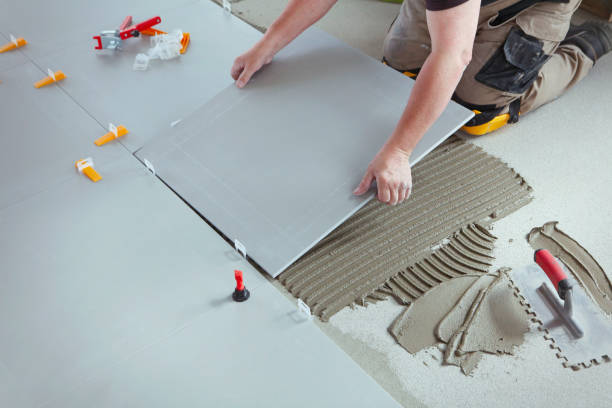
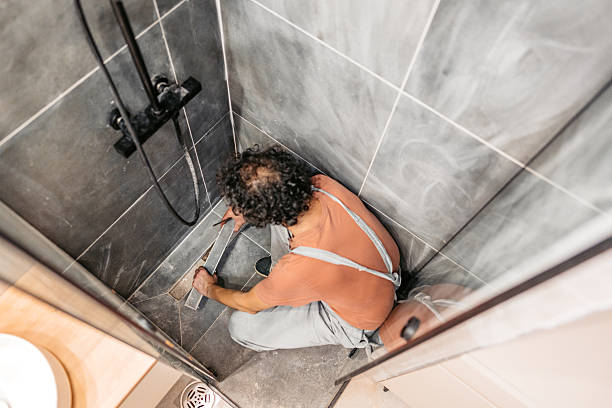
Even the best tile can fail if it is not installed properly. This is one of the biggest truths people learn too late.
A good installation ensures:
- Tiles stay level and aligned
- Water does not seep underneath
- Edges remain clean and smooth
- The surface lasts longer without cracks
On the other hand, poor installation leads to uneven tiles, loose sections, and early damage.
At first, the difference may not be clear. But with time, tiny problems turn into greater ones. That’s why you should never think of installation quality as an afterthought.
Bigger Tiles Are Not Always Better
People like large tiles because they make a space seem clean and contemporary. A smoother look comes from having fewer grout lines.
But not all kitchens need to be larger.
Large tiles can:
- It becomes harder to install in small or uneven spaces
- Require more precise leveling
- Show cracks more clearly if something goes wrong
Meanwhile, smaller tiles offer flexibility. They fit better in tight areas and can handle slight surface imperfections.
Choosing the right size depends on your kitchen layout, not just trends.
Slip Resistance Is Often Overlooked
Kitchen floors deal with spills more often than any other room. Water, oil, and food all increase the risk of slipping.
Still, many people choose tiles based only on how they look.
A glossy tile may appear attractive, yet it can become slippery when wet. On the other hand, textured tiles provide better grip and safety.
This is especially important in homes with children or older adults. A safer floor reduces daily stress and prevents accidents.
Maintenance Is a Long-Term Commitment
Tiles do not require heavy care, yet they are not completely maintenance-free either.
Different tiles come with different care needs:
- Natural stone needs sealing to prevent stains
- Glossy tiles show smudges more easily
- Textured tiles may trap dirt in small grooves
Knowing this ahead of time helps set realistic expectations. It also helps create a cleaning routine that feels manageable.
A well-maintained tile surface keeps the kitchen feeling fresh and inviting, even after years of use.
Trends Fade, Practical Choices Stay
Trendy designs often catch attention quickly. Bold patterns, unique shapes, and unusual colors feel exciting at first.
However, trends change faster than expected.
A design that feels modern today may look outdated in a few years. That does not mean trends should be avoided completely. Instead, they should be used carefully.
A smart approach includes:
- Keeping large surfaces neutral
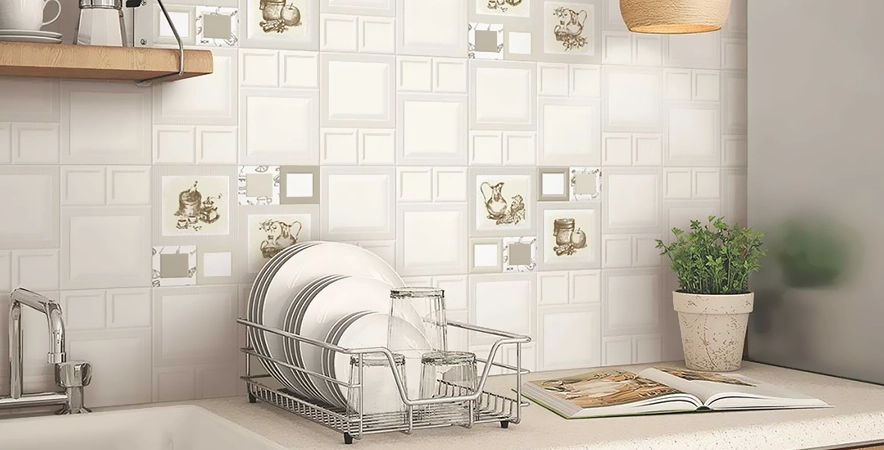
- Adding trends through smaller areas like backsplashes
- Choosing designs that still feel comfortable over time
This way, your kitchen remains enjoyable without needing frequent updates.
Lighting Changes How Tiles Look
Tiles do not look the same in every light. Natural light, warm lighting, and cool lighting all affect how colors appear.
A tile that looks perfect in a store may feel different once installed at home.
For example:
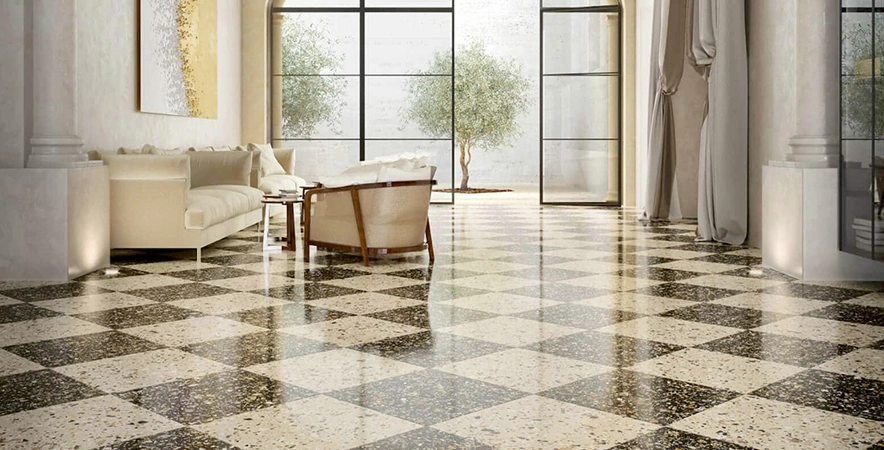
- Glossy tiles reflect light and brighten the space
- Matte tiles absorb light and create a softer feel
- Dark tiles may feel heavier in low light
Taking lighting into account helps avoid disappointment and creates a more balanced look.
Budget Choices Can Cost More Later
Saving money is always important. However, going for the cheapest option often leads to higher costs in the long run.
Low-quality tiles may:
- Chip easily
- Fade over time
- Crack under pressure
Similarly, poor installation increases repair costs.
Spending a little more on durable materials and proper installation often saves money over the years. It also reduces stress and repetitive work.
Small Details Make a Big Difference
It is easy to focus on big decisions, yet small details shape the final result.
These include:
- Tile spacing
- Edge finishes
- Alignment patterns
- Transition areas between rooms
When these details are handled well, the entire kitchen feels polished and comfortable. When ignored, the space feels incomplete, even if the tiles themselves are beautiful.
Emotional Value of a Well-Tiled Kitchen
A kitchen is more than simply a place to cook. It has a lot of emotional weight. A kitchen with good tile seems quiet, clean, and simple to use. It helps with everyday tasks without making them more stressful. Every time you go inside it, it also makes you feel proud.
On the other side, tiles that aren’t picked well cause little problems that become worse with time. It feels tougher to clean. It seems like maintenance never ends. The space never seems exactly right. Choosing tiles carefully can not only make your kitchen appear better, but it will also make you feel better in it every day.
Final Verdict
You may assume that picking out kitchen tiles is straightforward, but they can have a major effect on your daily life. From safety and hygiene to long-term durability, every choice is more significant than it appears at first. You can make a kitchen that is easy to use, reliable, and beautiful over time by paying attention to the kind of tile, the grout, the installation, and the care.
Always being cautious pays off. And when it comes to getting the details just right, working with a well-known business like Quality Tile Install LLC ensures the project is done well and will last, so you can use it every day.